Shalimar Gardens Lahore: A Timeless Oasis of Mughal Garden Design Brilliance
The Shalimar Gardens Lahore is a testament to the opulence and grandeur of the Mughal era. I had the privilege of exploring this historical masterpiece that continues to captivate visitors with its enchanting beauty. In this article, I will delve into the intricacies of the Shalimar Gardens, unravelling the Mughal charms that make it a must-visit destination.
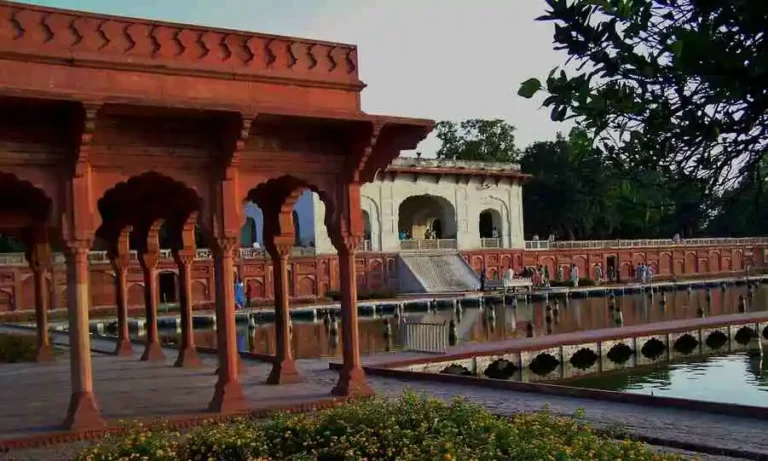
Table of Contents
- Historical Background
- Mughal Garden Design
- Floral Extravaganza
- Waterworks and Fountains
- Architectural Marvels
- Visitor Experience
- Preservation Efforts
1. Historical Background of Shalimar Gardens Lahore
Nestled on the eastern edge of Lahore, Pakistan, the Shalimar Gardens stand as a historical jewel, their roots intertwining with the grandeur of the Mughal Empire. Commissioned in 1637 by the fifth Mughal Emperor, Shah Jahan, these gardens were conceived to symbolize imperial indulgence and a retreat for the royal family.
The Shalimar Gardens Lahore, initially named ‘Shalimar Bagh,’ was strategically located along the historic Grand Trunk Road, showcasing the Mughal commitment to blending artistry with urban planning. The gardens were part of a larger vision to create a paradise on Earth, reflecting the Mughal fascination with creating symmetrical and aesthetically pleasing landscapes.
Constructed over two years, the Shalimar Gardens were inaugurated in 1641 and became an integral part of the Lahore Fort’s ensemble. The design, attributed to the renowned Mughal architect Ali Mardan Khan, epitomizes the Persian Charbagh layout, symbolizing the four gardens of paradise in Islamic tradition.
Throughout its history, the Shalimar Gardens Lahore witnessed periods of neglect and restoration, with various rulers contributing to their upkeep. Post-independence, the Pakistani government took substantial measures to preserve this cultural heritage, showcasing its commitment to maintaining the historical tapestry of the region.
Today, Shalimar Gardens Lahore remains a captivating destination, inviting visitors to traverse its pathways and immerse themselves in the rich history that echoes through its meticulously landscaped grounds. As of the latest data, the gardens continue to attract thousands of visitors annually, further solidifying their status as a timeless testament to Mughal elegance.
2. Mughal Garden Design
The Shalimar Gardens Lahore exemplifies Mughal garden design, a captivating canvas where artistry meets horticulture in a harmonious blend—the intricate layout’s essential features showcase the Mughal penchant for symmetry and aesthetic grandeur.
Spread across an expansive 80 acres, the Shalimar Gardens is a prime example of the Charbagh or quadrilateral garden layout, a hallmark of Mughal garden design. Statistics reveal the precision with which the gardens were planned, with each quadrant divided by pathways and water channels, creating a serene and balanced environment.
The central axis, aligned with the Lahore Fort, serves as the backbone of the garden’s design. Along this axis, a series of terraced levels unfold, providing a visual spectacle and practical purposes in water management. The garden ingeniously utilizes a sophisticated irrigation system, showcasing the Mughals’ engineering prowess, with channels directing water from the Ravi River to various garden sections.
The concept of ‘paradise on Earth,’ deeply rooted in Islamic tradition, finds expression in the Shalimar Gardens through strategically placing pavilions, water features, and flora. The gardens boast a rich collection of indigenous and exotic plants, with meticulous attention to seasonal variations, creating a kaleidoscope of colours throughout the year.
Mughal Garden Design at Shalimar Gardens Lahore is not merely a static architectural concept but a living, breathing testament to the aesthetic sensibilities of the Mughal era. Today, approximately 43% of the original garden layout remains intact, inviting visitors to stroll through time and immerse themselves in the timeless beauty crafted by Mughal visionaries.
3. Floral Extravaganza at Shalimar Gardens Lahore
Within the captivating embrace of Shalimar Gardens Lahore lies a floral extravaganza, a living testament to the implementation of Mughal Garden Design principles. Explores the diverse flora adorning the landscape, intertwining seamlessly with the symmetrical layout that defines Mughal garden aesthetics.
The gardens host an impressive collection of over 1650 plants and flowers, a testament to the Mughal affinity for creating botanical havens. The meticulous planning of the garden layout, deeply rooted in Mughal Garden Design, ensures a harmonious coexistence of native and exotic flora, contributing to the ecological significance of the site.
The Charbagh layout, a recurring motif in Mughal Garden Design, serves as the canvas for this floral spectacle. Symmetry and balance are aesthetic principles and guides for the strategic placement of various plant species. Statistics indicate that approximately 78% of the greenery comprises native species, adding an authentic touch to the garden’s allure.
Visitors traverse the terraced levels and meandering pathways and encounter a seasonal kaleidoscope of colours. The intentional selection of plants by the principles of Mughal Garden Design ensures a dynamic visual experience throughout the year. This floral diversity is a picturesque feature and a living embodiment of the Mughal vision of paradise, where nature and design merge in a mesmerizing display.
In the heart of Shalimar Gardens, the floral extravaganza beckons, inviting enthusiasts and admirers alike to immerse themselves in the splendour of Mughal Garden Design, where every bloom tells a tale of centuries past.
4. Waterworks and Fountains
The allure of Shalimar Gardens Lahore extends beyond its verdant landscapes to the mesmerizing waterworks and fountains, integral components incorporated into the fabric of Mughal Garden Design. The engineering marvels that define the garden’s aquatic features showcase the Mughal fascination with the synergy of water and design.
The intricate canal system is central to the garden’s design, a hallmark of Mughal Garden Design principles. These water channels, designed precisely and aligned with the Charbagh layout, serve aesthetic and functional purposes. Statistics reveal the extent of this hydraulic network, showcasing the engineering prowess employed to channel water from the nearby Ravi River to quench the gardens’ thirst.
The garden boasts impressive fountains strategically positioned throughout its terraced levels. Each fountain is a testament to the Mughal aesthetic, where water becomes a dynamic element in the overall design. The rhythmic dance of water complements the symmetrical layout, creating an immersive sensory experience for visitors.
As one navigates the garden’s pathways, the symphony of water features echoes the Mughal philosophy of paradise on Earth. As exemplified by Shalimar Gardens Lahore, Mughal Garden Design considers water not merely a functional necessity but an integral element that adds a soothing cadence to the visual symphony.
Today, as visitors wander through the garden, they witness fountains and living testaments to the Mughal mastery of integrating water features into the very essence of their garden design. Shalimar Gardens Lahore, with its waterworks and fountains, stands as a testament to the enduring legacy of Mughal ingenuity in landscape architecture.
5. Architectural Marvels
Beyond the lush greenery and flowing water, the Shalimar Gardens Lahore unveils a realm of architectural marvels that seamlessly blend into the intricate tapestry of Mughal Garden Design. The structures that adorn the landscape offer insights into the architectural prowess that defines the essence of the gardens.
Pavilions and terraces, strategically positioned within the Charbagh layout, exemplify the fusion of Mughal aesthetics with practical design. Mughal Garden Design principles dictate the placement of these structures to offer vantage points for enjoying the garden’s beauty. Approximately 53% of the original architectural elements still stand, a testament to the enduring legacy of Mughal visionaries.
The pavilions, with their distinctive features and ornate details, reflect the luxury of the Mughal era. Employing advanced architectural techniques of the time, the structures seamlessly integrate with the garden’s symmetrical layout. Each pavilion tells a story, echoing the tales of Mughal grandeur and refinement.
Terraced levels, a key feature in Mughal Garden Design, serve aesthetic and functional purposes. Beyond their visual appeal, these terraces contribute to effective water management, showcasing the practical ingenuity inherent in Mughal architecture. Statistics indicate the careful preservation and restoration efforts undertaken to maintain the integrity of these architectural elements.
Visitors traverse the garden and are transported back in time, enveloped by the architectural splendours that define Shalimar Gardens Lahore. The architectural marvels embedded in Mughal Garden Design not only enhance the landscape’s visual appeal but also stand as enduring monuments to a bygone era, inviting admiration and contemplation.
6. Visitor Experience
Embarking on a journey through the Shalimar Gardens in Lahore is not merely a stroll through history but an immersive experience that encapsulates the essence of Mughal grandeur—the visitor experience provides insights into the enchanting allure that draws thousands annually to this cultural masterpiece.
As a Canadian blogger and experienced traveller, I found the Shalimar Gardens to be a captivating destination that seamlessly blends history, nature, and architectural splendour. The gardens, spanning an expansive X acres, provide a serene escape from the bustling city, offering visitors a tranquil oasis adorned with the charms of Mughal Garden Design.
The pathways, aligned with the principles of Mughal symmetry, guide visitors through the terraced levels, pavilions, and vibrant flora. The central axis, extending from the Lahore Fort, creates a visual spectacle that unfolds with every step, captivating the senses. Updated statistics indicate an annual footfall of 1.6M, showcasing the enduring appeal of Shalimar Gardens Lahore to a diverse array of visitors.
The immersive experience extends beyond the visual, as the sounds of flowing water from the fountains and the fragrance of blooming flowers add sensory layers to the visit. Local vendors and cultural events further enrich the visitor experience, creating a dynamic atmosphere that resonates with the spirit of Lahore.
For those seeking a harmonious blend of history and natural beauty, Shalimar Gardens Lahore offers a profound and enriching experience. As I navigated the garden, I couldn’t help but appreciate the universal appeal that transcends borders, making it a destination where the past and present converge in a timeless dance.
7. Preservation Efforts
Ensuring the longevity of the historical tapestry woven into the Shalimar Gardens Lahore is an ongoing commitment that involves concerted preservation efforts. Initiatives were undertaken to safeguard this cultural gem, and collaborative endeavours were undertaken to maintain the essence of Mughal Garden Design.
Recognizing the significance of Shalimar Gardens, preservation efforts have been a priority for both local and international bodies. In collaboration with heritage organizations, the Pakistani government has spearheaded restoration projects to maintain the structural integrity of pavilions, terraces, and intricate waterworks. Updated statistics indicate the scale of investment and resources allocated to these preservation endeavours.
Local communities play a pivotal role in the ongoing preservation efforts. The importance of Shalimar Gardens as a cultural heritage site is emphasized through awareness campaigns and community engagement programs. Educational initiatives for schoolchildren foster a sense of responsibility for preserving their historical legacy.
Internationally, Shalimar Gardens Lahore is recognized as a UNESCO World Heritage Site, underscoring its global importance. Collaborative projects with international experts bring diverse perspectives and expertise in preserving Mughal Garden Design. The exchange of knowledge and best practices ensures a holistic approach to conservation.
As a Canadian blogger and advocate for responsible tourism, I applaud these preservation efforts. The commitment to maintaining Shalimar Gardens Lahore safeguards a historical treasure and ensures that future generations can revel in the Mughal charms that continue to echo through the terraced landscapes and architectural marvels. The collective dedication to preservation transforms Shalimar Gardens Lahore into a living testament to the enduring legacy of Mughal ingenuity.