Discover the Wonders of the Northern Lights in Scandinavia
An extraordinary celestial enchanting phenomenon of the Northern Lights in Scandinavia. For avid travellers and passionate skygazers alike, witnessing the dance of the auroras beneath the Nordic skies is an experience unlike any other. We delve into the science, timing, cultural significance, and practical tips for capturing the magic through the lens and the naked eye. From understanding the unique features of the Scandinavian Aurora to exploring prime viewing spots, chasing the lights with practical considerations, and delving into the cultural and historical richness surrounding this natural spectacle, this guide is your gateway to an unforgettable Northern Lights adventure in the heart of Scandinavia.
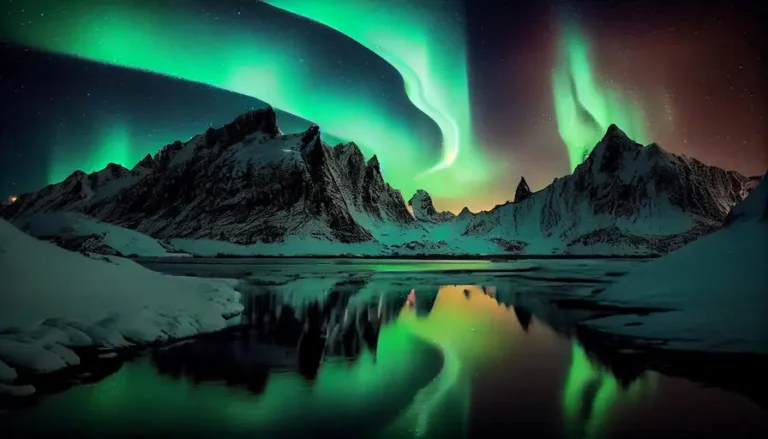
Table of Contents
- The Marvel of Scandinavian Auroras
- Ideal Seasons and Locations
- Chasing the Lights: Practical Tips
- Cultural and Historical Significance
- Capturing the Magic: Photography Tips
- Aurora Accommodations and Tours
1. The Marvel of Scandinavian Auroras
1. Understanding the Scandinavian aurora
The Northern Lights, scientifically known as aurora borealis, are a captivating natural light display gracing polar skies. This phenomenon occurs when charged particles from the sun, primarily electrons and protons, collide with gases in the Earth’s atmosphere, releasing energy in the form of light. The most common colours observed in the auroras are shades of green, although pink, purple, red, and blue hues can also manifest.
The key to comprehending this celestial ballet lies in the Earth’s magnetic field and atmosphere. As these charged particles enter the Earth’s magnetic field, they interact with the gases present, such as oxygen and nitrogen. The specific gas and altitude determine the colour of the aurora. Oxygen at higher altitudes produces red and purple hues, while nitrogen closer to the Earth’s surface creates greens and pinks.
The dance of the Scandinavian aurora is an ever-changing spectacle influenced by solar activity. Solar storms, sunspots, and solar flares contribute to the intensity and frequency of auroras. Understanding the science behind this cosmic display enhances the appreciation of its beauty, turning a night sky into a canvas painted with ethereal light.
2. Unique Features of the Scandinavian Aurora
With its high-latitude location, Scandinavia offers a distinctive canvas for the Scandinavian aurora to unfold its brilliance. The magnetic pole’s proximity amplifies the auroras, making this region a prime destination for enthusiasts and photographers.
One unique feature of the Scandinavian Aurora is its occurrence in the polar regions during the extended winter nights. The darkness provides an optimal backdrop for the vibrant lights to shine brightly, creating a surreal atmosphere that adds to the enchantment.
Moreover, Scandinavia’s geographical diversity contributes to the uniqueness of the aurora-watching experience. Each location adds charm to the celestial performance, from Norway’s fjords to Sweden’s frozen lakes. The interaction of the lights with the varied landscapes creates a symphony of colours against a backdrop of snow-covered mountains, dense forests, or icy plains.
As you stand beneath the Nordic skies, the Northern Lights in Scandinavia reveal the beauty of the cosmos and the harmony between the Earth, the sun, and the magnetic forces at play. Embracing the uniqueness of this phenomenon in Scandinavia adds a layer of awe to an already breathtaking natural wonder.
2. Ideal Seasons and Locations to Observe Northern Lights in Scandinavia
1. Timing Your Journey
Timing is paramount when embarking to witness the Northern Lights in Scandinavia. The optimal time to experience this celestial spectacle is winter, specifically September to March. During this period, the extended darkness of the polar nights enhances the auroras’ visibility. While the lights are technically present year-round, the winter season provides the best conditions for awe-inspiring displays. Visitors should plan their trips to align with periods of minimal moonlight and maximum solar activity for an enhanced aurora-watching experience.
2. Prime Viewing Spots in Scandinavia
Scandinavia boasts a plethora of prime viewing spots, each offering a unique perspective on the Scandinavian aurora. One standout location is Tromsø, Norway, situated in the Arctic Circle. Its strategic position provides a high probability of aurora sightings and a stunning Arctic landscape. Abisko, Sweden, is another gem renowned for its clear skies and the captivating Aurora Sky Station. The Finnish region of Lapland, with its wilderness and pristine snowscapes, offers a serene backdrop to the auroras.
Iceland, though not technically part of Scandinavia, is an unmissable destination for aurora enthusiasts. The country’s diverse landscapes, including glaciers, waterfalls, and volcanic plains, provide captivating foregrounds for the Scandinavian aurora.
For those seeking a coastal experience, the Lofoten Islands in Norway offer a unique blend of fishing villages and mountainous terrain, creating a picturesque setting for aurora-chasing adventures. Ultimately, the choice of prime viewing spot depends on personal preferences, whether it’s the Arctic wilderness, charming villages, or a mix of both, ensuring an unforgettable Scandinavian aurora experience in Scandinavia.
3. Chasing the Lights: Practical Tips
1. Weather Considerations
Chasing the Northern Lights in Scandinavia requires a strategic approach to weather considerations. The critical factor is clear skies, as clouds obstruct the view of the auroras. Stay updated on weather forecasts, and choose nights with minimal cloud cover for optimal visibility. Additionally, understanding the local climate is crucial. Embrace the cold temperatures typical of the Arctic region by dressing in layers to stay warm. Be prepared for rapidly changing weather conditions, and ensure you have appropriate gear to shield yourself from the elements.
2. Essential Gear for Aurora Chasers
Equipping yourself with the right gear is essential for a successful aurora-chasing expedition. A sturdy tripod is a must for capturing stable and precise shots of the Scandinavian aurora. A DSLR camera with manual settings allows you to adjust exposure and focus for optimal photography. Bring extra batteries, as cold temperatures can drain power faster. Consider investing in a fast and wide-angle lens to capture the expansive beauty of the auroras.
Warm clothing is vital for staying comfortable during extended periods outdoors. Insulated, waterproof boots, thermal layers, and a durable winter jacket are essential. Hand warmers can also provide additional comfort in extreme cold. A headlamp with a red filter helps preserve night vision without disturbing fellow aurora watchers.
For those venturing into remote areas, a GPS device or a reliable map and compass are crucial for navigation. Joining guided tours led by experienced aurora chasers can provide valuable insights and access to specialized equipment such as heated shelters and transportation to prime viewing locations. By ensuring you have the right gear, you’ll be well-prepared to chase the Northern Lights and capture the magic of the Scandinavian auroras.
4. Cultural and Historical Significance
1. Mythology and Folklore Surrounding the Northern Lights
The Scandinavian aurora holds a rich tapestry of mythology and folklore across Scandinavian cultures. In Norse mythology, the lights were believed to be the glowing shields of the Valkyries, warrior maidens who escorted fallen soldiers to the afterlife. The dancing auroras were seen as a celestial manifestation of their powerful presence. In Finnish folklore, the lights were thought to be caused by the mythical firefox, known as the “revontulet,” which translates to “fox fires.” According to legend, the lights were created by the sweeping tail of the mystical fox as it dashed across the Arctic skies.
2. Indigenous Perspectives on the Aurora Borealis
Indigenous communities in the Arctic, such as the Sami people, have profound perspectives on the Aurora Borealis. For the Sami, the lights are deeply intertwined with their spiritual beliefs and connection to nature. The auroras are seen as the souls of the departed dancing across the sky. Traditional Sami folklore holds that the lights result from the ancestors’ joyful celebrations in the afterlife. The appearance and behaviour of the auroras are believed to convey messages about the community’s well-being and the spirits’ contentment.
Inuit cultures also interpret the Scandinavian aurora as spirits playing a ball game with a walrus skull. These perspectives highlight the cultural diversity and reverence for nature present in the indigenous communities of the Arctic. Exploring these mythologies adds cultural depth to the Northern Lights experience, transforming the celestial display into a profound connection between the North’s people and the night sky’s mysterious wonders.
5. Capturing the Magic: Photography Tips
1. Best Camera Settings
Capturing the mesmerizing Scandinavian aurora requires mastering the intricacies of camera settings. Begin with a wide-angle lens, ideally 14-24mm, to encompass the expansive night sky. Set your camera to manual mode, keeping the aperture open (f/2.8 or lower) to allow more light. Adjust the ISO between 800 and 3200, experimenting to find the balance between capturing details and minimizing noise. Opt for a long exposure, typically between 5 to 30 seconds, to capture the fluid motion of the auroras. Use a sturdy tripod to prevent camera shake during these extended exposures.
2. Composition Techniques for Northern Lights Photography
Enhance your Scandinavian aurora photographs by incorporating effective composition techniques. Frame the auroras against captivating foreground elements, such as snow-covered landscapes, icy rivers, or iconic landmarks. This adds depth to your shots and provides context to the ethereal display. Experiment with leading lines, using the landscape’s natural contours to guide the viewer’s eye toward the lights.
Consider the rule of thirds, placing the brightest part of the auroras at intersections for a visually appealing composition. Utilize silhouettes of trees or mountains to create contrast against the vibrant colours of the Scandinavian aurora. Be mindful of the overall balance in your frame, ensuring that the composition enhances the moment’s magic.
Experimenting with different compositions and adjusting your camera settings based on the specific conditions of the night will help you capture the elusive beauty of the Northern Lights. Remember, patience and practice are critical as you navigate the challenges and rewards of photographing this celestial phenomenon in the stunning landscapes of Scandinavia.
6. Aurora Accommodations and Tours
1. Aurora-friendly Accommodations
Choosing suitable accommodation can significantly enhance your Northern Lights experience in Scandinavia. Opt for aurora-friendly lodgings that prioritize the comfort and convenience of aurora enthusiasts. Many hotels and lodges offer heated outdoor viewing areas, allowing you to witness the spectacle in warmth and comfort. Some accommodations even provide wake-up calls for guests when the lights appear, ensuring you don’t miss a moment of the celestial show. Cozy cabins or glass igloos with panoramic views are popular choices, allowing you to enjoy the Scandinavian aurora from your private space.
2. Guided Tours for Optimal Viewing
For a seamless and enriching Northern Lights adventure, consider joining guided tours led by experienced aurora chasers. These tours are designed to take you to prime viewing locations, maximizing your chances of witnessing the auroras at their most vibrant. Knowledgeable local guides can navigate the unpredictable Arctic weather and choose optimal spots based on current conditions, increasing the likelihood of a successful viewing experience.
Guided tours also offer insights into the cultural and natural aspects of the region, providing a holistic experience beyond just chasing the lights. Some tours include transportation to remote areas, where light pollution is minimal, ensuring a clearer view of the auroras. Whether by snowmobile, dog sled, or minibus, these guided excursions add an adventurous element to your Scandinavian aurora journey while ensuring you have the best possible opportunities to witness and photograph the magical Scandinavian auroras.