Essential Tips for Solo Travel Safety
Solo Travel Safety is not just a concept; it’s a vital framework for any adventurer navigating the world solo. I understand the paramount importance of prioritizing safety during solo journeys. We delve into the intricacies of Solo Travel Safety, offering practical insights and actionable tips to empower solo travellers with the knowledge needed to explore confidently. So, whether you’re a first-time solo traveller or a seasoned explorer, join me on this journey to ensure your solo adventures are thrilling and safe at every step.
Solo Travel Safety Essentials Checklist
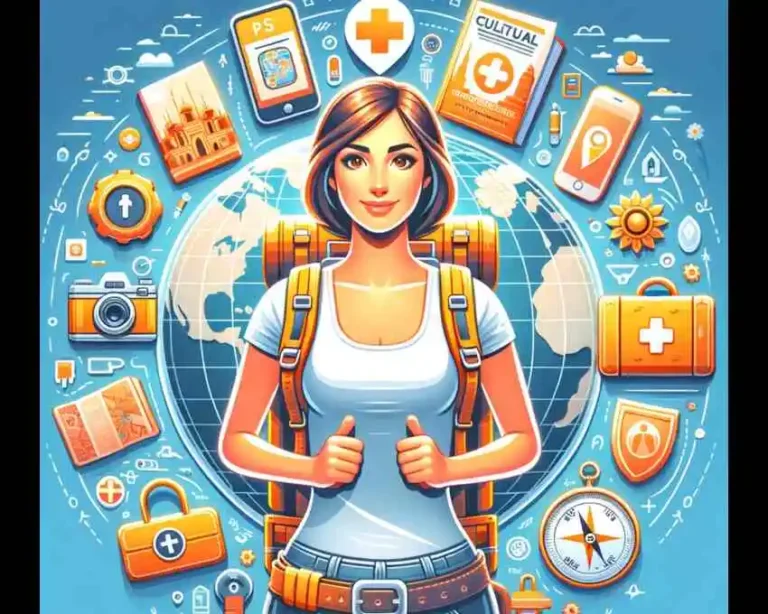
Table of Contents
- Understanding Solo Travel Risks
- Planning for Solo Travel Safety
- Choosing Safe Accommodations
- Staying Connected While Solo Traveling
- Packing Essentials for Safety
- Cultural Sensitivity and Awareness
- Trusting Your Instincts
- Health and Medical Precautions
1. Understanding Solo Travel Risks
Solo travel, while exhilarating, comes with inherent risks that demand awareness and preparedness. Identifying potential hazards is the first step towards a safer journey. Common risks include petty theft, scams, and unforeseen natural events. Researching destination-specific risks is crucial; factors like local crime rates, political stability, and prevalent health concerns vary widely.
Solo travel statistics shed light on the reality of potential challenges. According to recent data, pickpocketing is a prevalent issue in tourist-heavy areas, and scams targeting solo travellers have seen a notable increase. Understanding these statistics allows solo adventurers to tailor their precautions to the risks they may encounter.
By acknowledging these risks, solo travellers can proactively plan their journeys, incorporating safety measures into their itineraries. Whether avoiding high-crime areas or being vigilant in crowded spaces, a well-informed approach significantly mitigates potential threats.
2. Planning Ahead for Solo Travel Safety
Solo travel safety begins with meticulous planning, empowering individuals to navigate their journeys confidently. Lets Explores critical planning components, including creating a detailed itinerary, sharing it with trusted contacts, and utilizing travel apps for real-time updates.
Creating a Detailed Itinerary: Crafting a comprehensive itinerary is a cornerstone of safe solo travel. Outline your daily activities, transportation details, and accommodation information. Include emergency contact numbers, addresses, and local authorities. This streamlines your journey and serves as a valuable resource in unforeseen circumstances.
Sharing Itinerary with Trusted Contacts: Communication is vital when traversing solo. Share your detailed itinerary with trusted friends or family members. Having someone aware of your plans in an emergency enhances your safety net. For added preparedness, please provide them with copies of essential documents, such as your passport and insurance details.
Utilizing Travel Apps for Real-Time Updates: In the digital age, travel apps offer real-time information crucial for solo travellers. Download apps that update weather conditions, local news, and emergency services. GPS-enabled apps enhance navigation and can be shared with trusted contacts for constant awareness of your location. These technological aids streamline your journey and contribute significantly to your safety.
3. Choosing Safe Accommodations
Selecting suitable accommodation is a pivotal aspect of solo travel safety. Key considerations: choosing reputable hotels and hostels, reading reviews and seeking recommendations, and prioritizing central and well-lit locations.
Opting for Reputable Hotels and Hostels: Choosing accommodations with established reputations is fundamental to safety. Reputable hotels and hostels adhere to industry standards, providing secure environments for solo travellers. Look for establishments with positive online reviews and recognized safety certifications, ensuring a reliable and secure stay.
Reading Reviews and Seeking Recommendations: In the digital age, insights from fellow travellers are invaluable. Before booking, thoroughly read online reviews on reputable platforms. Personal experiences shared by other solo travellers offer real-world perspectives on safety, amenities, and overall atmosphere. Additionally, seek recommendations from trusted travel communities or friends who have visited the destination.
Prioritizing Central and Well-Lit Locations: The location of your accommodation significantly impacts safety. Opt for establishments situated in central areas with easy access to public transportation. Well-lit surroundings contribute to personal safety, especially when returning to your accommodation during the evenings. Avoiding isolated or poorly lit areas minimizes potential risks.
4. Staying Connected While Solo Traveling
Maintaining communication is paramount for solo travellers, enhancing their safety and overall travel experience. Essential practices: carrying a local SIM card, using Virtual Private Networks (VPNs), and regular check-ins with family and friends.
Carrying a Local SIM Card: Acquiring a local SIM card is fundamental to staying connected. It provides cost-effective and reliable access to local networks, ensuring seamless communication for calls, texts, and data. A local number facilitates easy contact with local services, including emergency assistance, enhancing your ability to navigate and respond to unforeseen situations promptly.
Using Virtual Private Networks (VPNs): In an era of digital connectivity, safeguarding online activities is crucial. A VPN encrypts your internet connection, protecting sensitive information from cyber threats. Whether accessing public Wi-Fi or conducting online transactions, a VPN adds an extra layer of security, reducing the risk of data breaches and unauthorized access to personal information.
Regular Check-Ins with Family and Friends: Establishing a routine of regular check-ins with trusted contacts is a proactive safety measure. Whether through calls, texts, or messaging apps, these check-ins reassure loved ones and serve as a safety net. In unexpected events, having a reliable communication channel ensures swift assistance and support.
5. Packing Essentials for Safety
Solo travellers’ safety heavily relies on the contents of their luggage. Essential items: securing necessary documents, carrying a first aid kit, and utilizing anti-theft travel gear.
Securing Important Documents: Protecting crucial documents is non-negotiable for solo travel safety. Secure your passport, identification, travel insurance, and any necessary permits in a waterproof and secure travel organizer. Consider making digital copies stored in a secure cloud service for added resilience against loss or theft.
Carrying a First Aid Kit: A well-equipped kit is a traveller’s best companion. Include bandages, antiseptic wipes, pain relievers, and necessary prescription medications. Tailor the kit to your specific needs and the destinations you plan to visit. Being prepared for minor health concerns ensures you can address them promptly and continue your journey smoothly.
Utilizing Anti-Theft Travel Gear: Investing in anti-theft travel gear is a proactive measure against common travel risks. Anti-theft backpacks, money belts, and RFID-blocking wallets add layers of security. Choose luggage with lockable zippers and slash-resistant straps to deter potential thieves. These precautions minimize the theft risk, allowing you to explore freely.
6. Cultural Sensitivity and Awareness
Cultural sensitivity is crucial to solo travel, enriching experiences and fostering positive interactions. Explores critical practices: researching local customs and traditions, dressing appropriately for the destination, and understanding social norms and taboos.
Researching Local Customs and Traditions: Understanding the cultural nuances of your destination is foundational for respectful travel—research local customs, traditions, and etiquette. Familiarize yourself with greetings, gestures, and specific behaviours expected in public spaces. This cultural awareness demonstrates respect and facilitates smoother interactions with locals.
Dressing Appropriately for the Destination: Appropriate attire is a tangible expression of cultural respect. Research the dress codes in your destination, considering factors like religious sites or local customs. Dressing modestly when required and adhering to cultural norms shows regard for local traditions and minimizes the risk of unintended cultural misunderstandings.
Understanding Social Norms and Taboos: Every society has its social norms and taboos. Understanding these dynamics is essential for harmonious solo travel. Whether it’s greetings, gift-giving, or dining etiquette, being aware of and respecting social norms ensures that your presence is seen as a positive contribution rather than a potential source of discomfort.
7. Trusting Your Instincts
Trusting your instincts is a fundamental skill for solo travellers, serving as a personal safety compass in unfamiliar territories. Key elements: listening to your gut feelings, saying no when necessary, and being mindful of alcohol consumption.
Listening to Your Gut Feelings: Intuition is powerful in solo travel safety—attention to your instincts and gut feelings about situations, places, or people. If something feels off or unsettling, take it seriously. Your intuition often senses potential risks before your logical mind comprehends them, offering an early warning system for personal safety.
Saying No When Necessary: Solo travellers should embrace the art of saying no. Whether declining invitations, offers, or requests, assertiveness is key. Trust your judgment and politely decline situations that make you uncomfortable or seem risky. Establishing clear boundaries is an empowering practice that reinforces personal safety and well-being.
Being Mindful of Alcohol Consumption: Alcohol can impair judgment and compromise personal safety. Solo travellers should be mindful of their alcohol consumption, especially in unfamiliar environments. Moderate drinking allows for better situational awareness and decision-making. Avoiding excessive alcohol intake minimizes vulnerability and ensures a clear-headed approach to navigating new and potentially challenging situations.
8. Health and Medical Precautions
Maintaining good health is paramount for solo travellers, and it explores vital health and medical precautions: getting the necessary vaccinations, carrying prescriptions and a first aid kit, and identifying local medical facilities.
Getting the Necessary Vaccinations: Before embarking on a solo journey, prioritize your health by ensuring you have the vaccinations for your destination. Research the specific vaccines recommended or required and schedule them well in advance. This proactive step protects you and contributes to the overall health and safety of the communities you visit.
Carrying Prescriptions and First Aid: Solo travellers should have a well-prepared first aid kit and any necessary prescriptions. Include essentials like pain relievers, allergy medication, and common over-the-counter remedies. Carry a copy of your prescriptions, ensuring you have an ample supply of medications for your trip. This preparation ensures you’re ready to address minor health concerns promptly.
Identifying Local Medical Facilities: Research and identify local medical facilities at your destination. Be aware of the locations of hospitals, clinics, and pharmacies. Note emergency contact numbers and understand the local emergency response system. This knowledge is crucial in case of unexpected health issues, allowing you to seek prompt and appropriate medical assistance.